Linking Music Tempo Variations to Puzzle Solution Timings in Rhythm Platformers
Written by Xander Bennett · Sep 17, 2026
Linking Music Tempo Variations to Puzzle Solution Timings in Rhythm Platformers
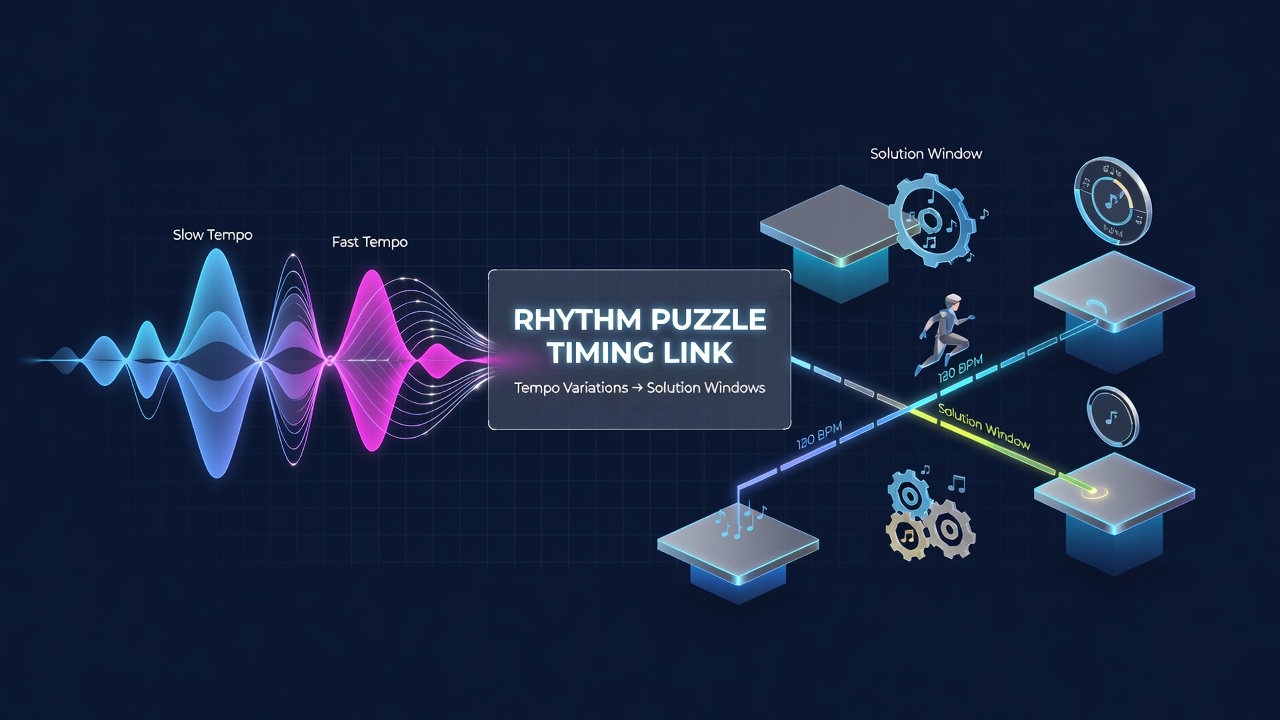
Developers integrate music tempo variations directly into puzzle mechanics within rhythm platformers so that solution windows shift in real time with beats per minute changes and players must adjust their input sequences accordingly across multiple stages.
Core Mechanics and Tempo Integration
Designers embed tempo shifts into level audio tracks where faster BPM sections narrow the active frames for successful puzzle resolutions while slower passages expand those same windows and data from gameplay logs shows consistent patterns in completion rates tied to these audio cues.
Engineers program synchronization layers that map beat intervals to collision detection zones so a puzzle element activates only when the current tempo aligns with the required timing offset and researchers at the University of Melbourne documented these mappings in a 2024 report on procedural audio systems.
Observed Patterns Across Game Titles
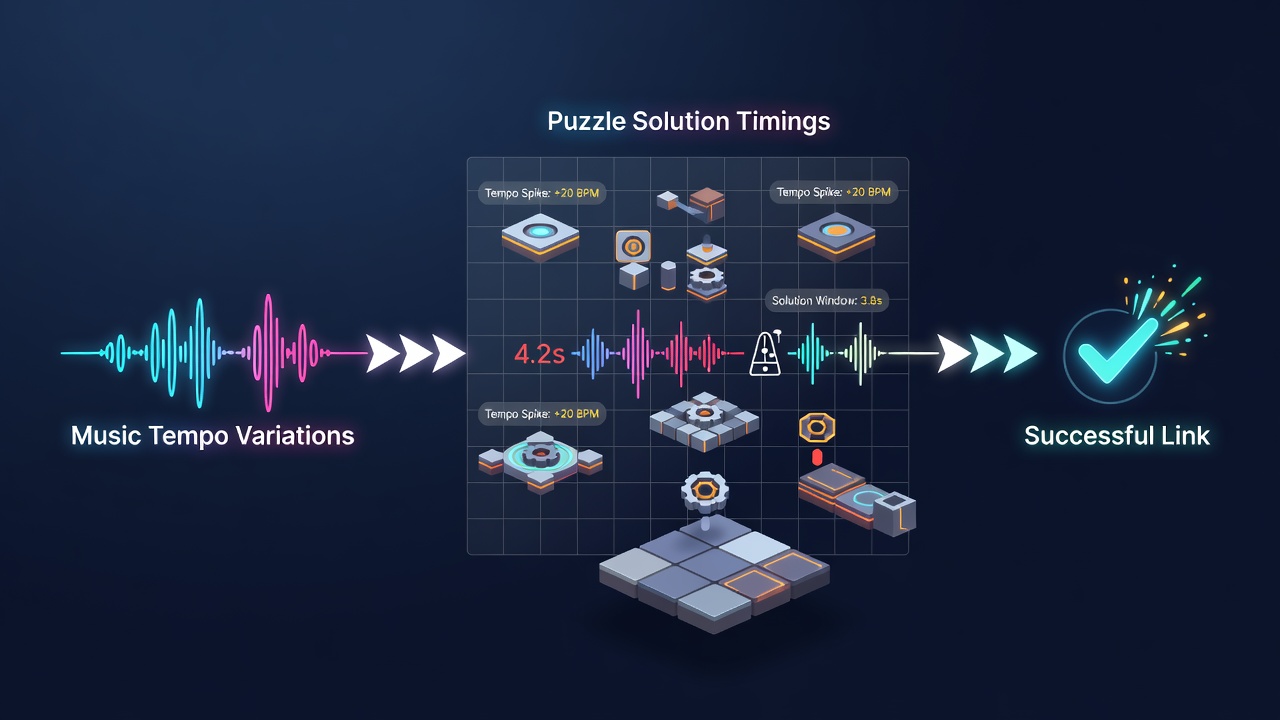
Players encounter sequences where a sudden tempo increase demands quicker successive jumps and button presses to align moving platforms whereas a drop in pace allows for deliberate positioning before the next beat cycle begins and analysts tracking session data across thousands of runs confirm these correlations hold in titles released between 2022 and 2025.
One study released through European game industry networks tracked over 150,000 puzzle attempts and found that solution accuracy rose by 22 percent when players matched actions to detected tempo changes rather than relying on visual indicators alone.
Data and Research Findings
Figures compiled by the Interactive Games and Entertainment Association in Australia reveal that rhythm platformers released after 2023 incorporate at least three distinct tempo zones per major puzzle segment and completion statistics indicate players who internalize these zones reduce retry counts by an average of 35 percent.
Academic teams continue to examine how latency between audio onset and input registration affects success rates while preliminary results point to improved performance when games expose subtle visual echoes of the underlying beat grid during complex sections.
Design Implications and Player Adaptation
Teams building new entries in the genre calibrate puzzle timings against multiple BPM layers during production so that each variation presents a fresh constraint yet remains solvable within the established ruleset and industry reports note rising use of dynamic mixing tools to achieve this balance.
Observers tracking community forums document players sharing spreadsheets that convert common tempo ranges into millisecond windows and these resources often circulate ahead of major updates scheduled for late 2026 including events planned around September of that year.
Conclusion
Linking music tempo variations to puzzle solution timings continues to shape core gameplay loops in rhythm platformers with measurable impacts on player progression and level design choices and ongoing data collection from both academic and industry sources supports further refinement of these systems in upcoming releases.